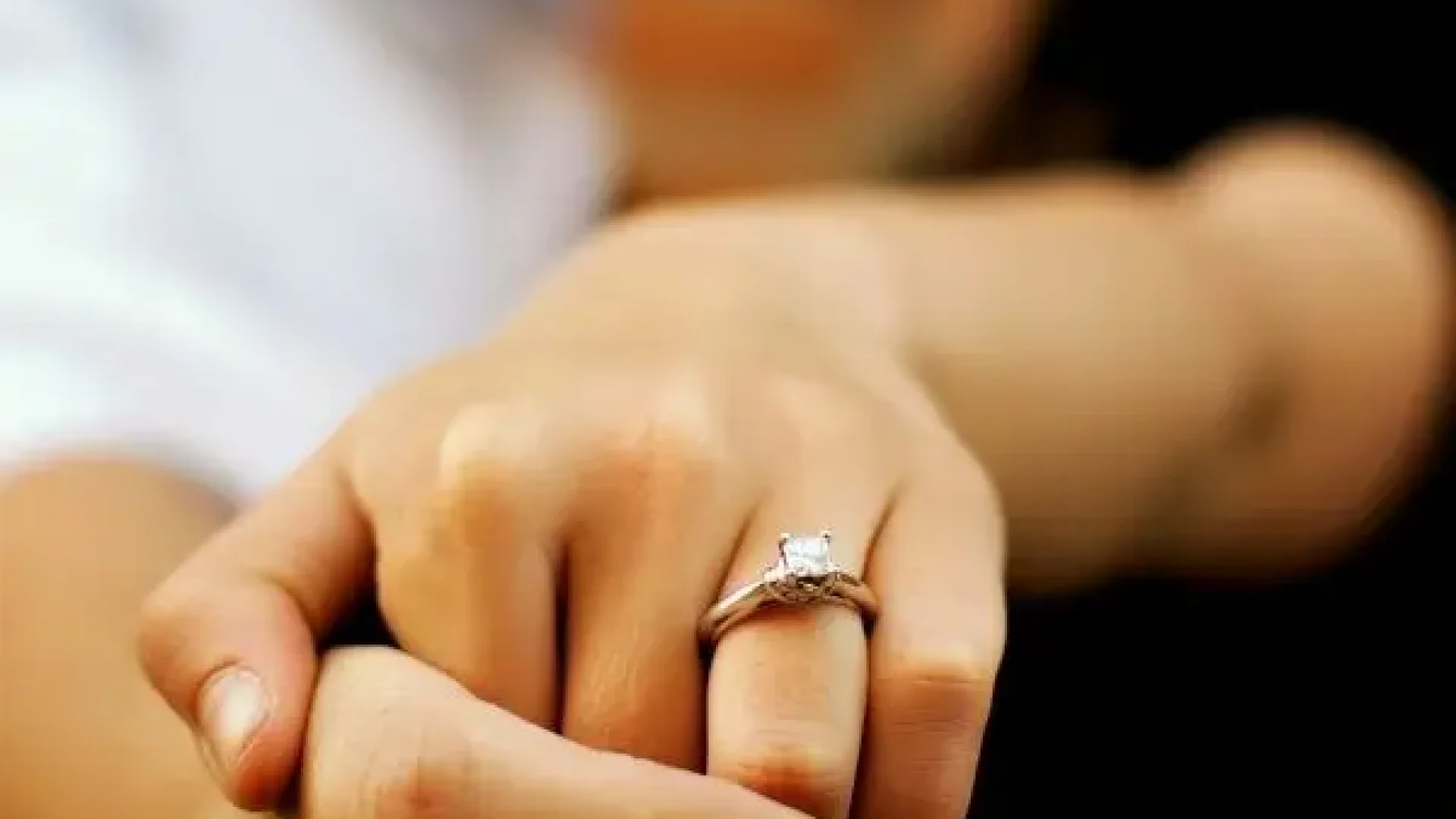



A wedding ring carries immense symbolism. For many, it represents love, unity, and the promises exchanged on a wedding day. But when a marriage ends in divorce, one of the most surprising and emotional questions is: “Who gets to keep the wedding rings?”
While rings are small in size, they can hold significant financial and emotional value. Beyond their sentimental worth, many are made of precious metals and gemstones worth thousands of rands. This makes the question of ownership more than just symbolic — it is also a legal and financial matter.
In this article, we explore how South African law views engagement rings and wedding bands in divorce, what past cases have decided, and what options are available if you and your spouse can’t agree.
Engagement Rings vs Wedding Rings: The Legal Distinction
Before diving into divorce law, it’s important to separate the two main types of rings exchanged in marriage:
1. The Engagement Ring
- Given as a promise of marriage.
- Seen as a conditional gift — meaning the condition is that the marriage actually takes place.
- If the engagement is broken off before marriage, disputes often arise about whether the ring should be returned.
South African courts have previously held that if you break off the engagement without just cause, you may be required to return the engagement ring. If the other party is at fault, you may be allowed to keep it.
2. The Wedding Rings
- Exchanged during the wedding ceremony.
- Seen as part of the marriage contract, not just a gift.
- The legal treatment of wedding bands depends largely on the marital property regime (more on this below).
The Role of Matrimonial Property Regimes
South African divorce law places great emphasis on the couple’s matrimonial property system. This determines whether the wedding rings are treated as personal property or part of the joint estate.
1. Marriage in Community of Property
- All assets and debts are pooled into a single joint estate.
- Wedding rings purchased during the marriage are generally seen as part of the joint estate.
- On divorce, the estate is divided 50/50, meaning the rings may technically be shared assets.
In practice, however, courts often treat each spouse’s wedding band as their personal property due to its highly sentimental nature.
2. Marriage Out of Community of Property Without Accrual
- Each spouse retains their own estate before and during the marriage.
- Rings given to each spouse are considered their personal property, unless otherwise agreed.
Example: If a husband buys his wife’s ring with his own money, it remains hers after divorce.
3. Marriage Out of Community of Property With Accrual
- Each spouse’s estate is kept separate during the marriage.
- On divorce, the growth (accrual) of each estate is calculated and shared.
- Wedding rings usually remain the personal property of the recipient but could indirectly affect the accrual calculation if their value is significant.
Cultural and Religious Considerations
South Africa is a diverse country with many cultural traditions around marriage. In some communities, wedding rings are not the central symbol of union — lobola (bride price) or customary gifts may carry more weight.
Courts may take these customs into account when deciding disputes, though ultimately, decisions rest on the Matrimonial Property Act and principles of fairness.
Case Law and Precedent
While wedding ring disputes are less common than property or custody battles, there are some guiding principles from South African case law:
- Engagement rings are conditional gifts. If the marriage does not go ahead, ownership depends on who was responsible for ending the engagement.
- Wedding rings, once exchanged, are usually considered the personal property of the recipient.
- However, in community of property, courts may technically include them in the joint estate — though judges often exercise discretion due to their symbolic nature.
Can a Court Force the Return of a Wedding Ring?
In most cases, no. Wedding rings are treated differently from engagement rings because they form part of the marriage itself. Unless there is fraud, misrepresentation, or another unusual circumstance, the recipient usually keeps their ring.
That said, some couples include specific clauses in their antenuptial contracts about jewellery or family heirlooms. If, for example, a ring is a family heirloom, the court may enforce its return.
What If the Rings Are Heirlooms?
This is one of the most contentious issues in South African divorce cases.
- If a ring has been passed down for generations (e.g., a grandmother’s diamond ring), the donor’s family may argue that it was given conditionally, on the basis that it remains within the family.
- Courts will consider the intention of the parties. If the ring was given as a conditional gift (intended to stay in the family), it may be ordered to be returned.
- If no such condition was made, the recipient may keep it.
Financial Value vs Emotional Value
For many couples, the financial value of wedding rings is secondary to the emotional weight they carry. Some choose to:
- Sell the rings to fund legal or personal expenses.
- Repurpose the jewellery into something new.
- Keep the rings as family keepsakes for children.
There is no legal obligation to sell or surrender the rings unless ordered by the court.
What About Same-Sex Marriages and Customary Marriages?
The same principles apply. In both civil and same-sex marriages, wedding rings exchanged are treated as personal property of the recipient.
In customary marriages, rings are often not the central symbol of union, but if exchanged, the same property rules apply.
Common Misconceptions About Wedding Rings in Divorce
“The person who bought the ring can always take it back.”
Not true. Once exchanged in marriage, the ring usually belongs to the recipient.
“Wedding rings are too sentimental to be considered property.”
They are property — but courts often recognise their symbolic value when making decisions.
“If my spouse cheated, I get the ring back.”
South African divorce law is no-fault based. Misconduct does not automatically affect property division.
Practical Tips for Divorcing Couples
- Check your antenuptial contract. If heirlooms or jewellery were specifically mentioned, the contract will guide ownership.
- Consider mediation. Instead of fighting over rings, mediation can help reach a symbolic or financial compromise.
- Document heirlooms clearly. If the ring is a family piece, ensure the condition was recorded or agreed upon in writing.
- Balance value and sentiment. Decide whether the ring holds financial or emotional significance for you — and act accordingly.
- Seek legal advice early. Rings may seem minor compared to property or custody, but disputes can become bitter.
While small in size, wedding rings carry enormous emotional and symbolic weight. In South African law, they are generally treated as the personal property of the recipient after marriage — unlike engagement rings, which may be returned if the marriage does not take place.
The outcome often depends on the matrimonial property system, whether the ring was a family heirloom, and the intentions of the parties involved.
At Shapiro & Haasbroek Inc., we understand that divorce is not just about dividing assets — it’s about resolving deeply personal disputes with compassion and clarity.
If you are facing divorce and uncertain about your rights regarding wedding rings, property, or other assets, contact us today.