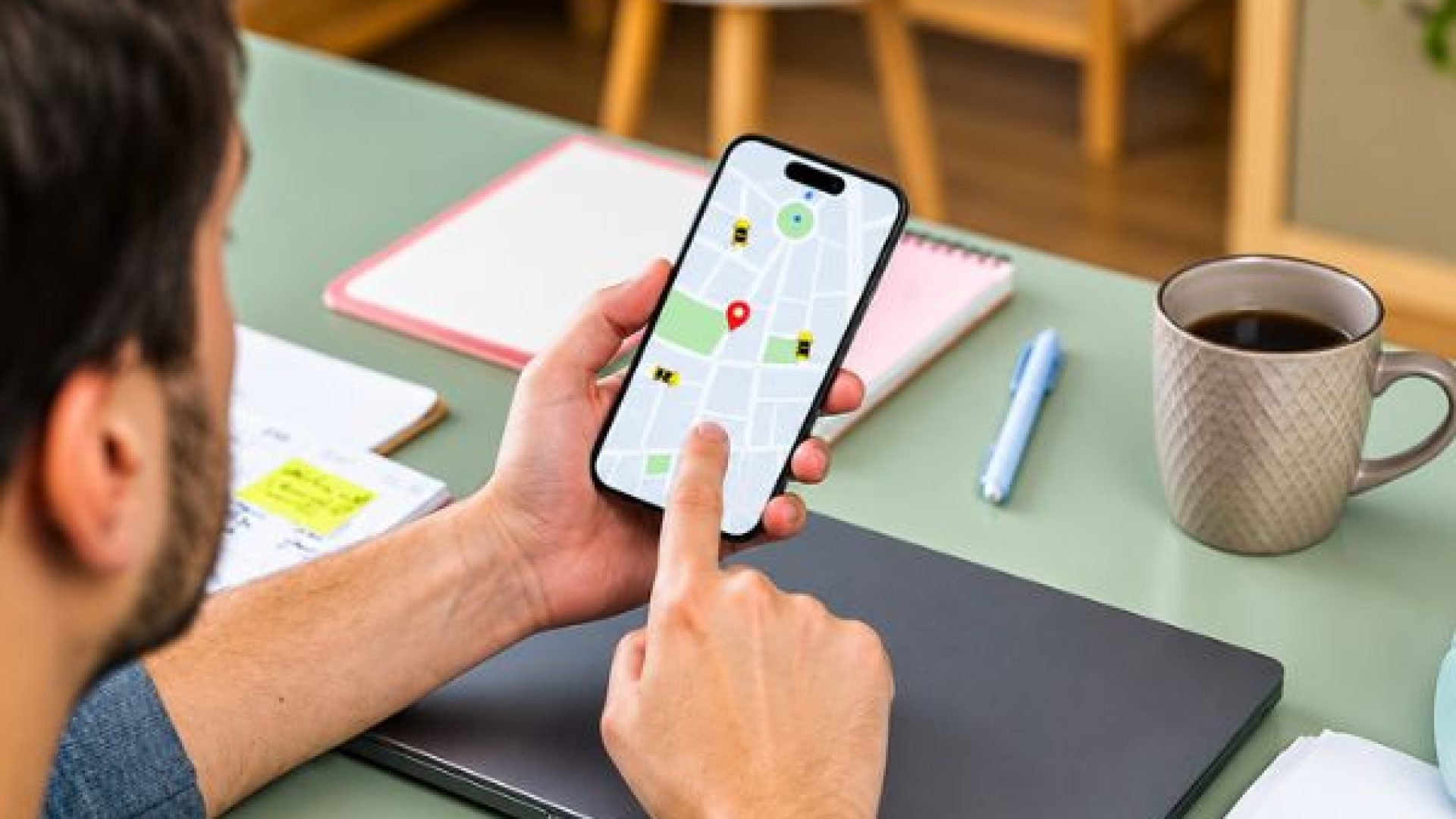



If you suspect that someone is watching your location, think about your safety before you change anything. A person who tracks their ex often reacts badly when the tracking stops, so switching off a device or deleting an app can alert them and raise the risk. If you feel in danger, call the SAPS on 10111 or the GBV Command Centre on 0800 428 428, and read this page on a device and in a place that your ex cannot reach. This post focuses narrowly on unwanted location tracking after a relationship ends. It explains how it happens, how to check for it, which South African laws apply, how to secure your accounts and devices without putting yourself at risk, and how to ask a court for protection.
How Location Tracking Continues After a Relationship Ends
Most post separation tracking does not involve sophisticated spy equipment. It usually uses access that your ex already had when you were together and never gave up. The common sources include location sharing inside apps such as Apple Find My, Google Maps, WhatsApp live location, Snapchat, Facebook Messenger and family locator apps such as Life360. Shared cloud accounts, such as an Apple ID or Google account that both of you signed in to, can also show where a phone or a laptop is. A shared cellphone contract or family plan may give the account holder access to itemised bills and, in some cases, location features that the network offers.
Other sources include connected car apps and vehicle tracking services registered in your ex’s name, a GPS tracker or a Bluetooth tag, such as an AirTag, hidden in a car, a bag or a child’s belongings, smart home devices and cameras that remain linked to your ex’s account, and monitoring software installed on your phone without your knowledge. Children’s smartwatches and phones add another route, which we discuss below. Many people only discover the tracking when their ex turns up at a place they did not tell anyone about, or mentions details of their day that they never shared.
Is It Legal for an Ex to Track Your Location?
Whether tracking is unlawful depends on the facts, and consent is the key issue. If you agreed to share your location during the relationship, that agreement does not give your ex a right to keep watching you after you separate. You can withdraw your consent at any time, and once you do, continued tracking without your agreement may break the law. Several South African laws can apply, and a lawyer will decide which fits your situation best.
The Cybercrimes Act 19 of 2020 creates offences for unlawfully and intentionally accessing a computer system or data without authority and for unlawfully intercepting data. If your ex logs in to your email, cloud account or phone without your permission, or installs monitoring software on your device, they may commit these offences. The Regulation of Interception of Communications Act also restricts the interception of communications, and the Constitution protects your right to privacy. The Domestic Violence Act 116 of 1998 defines stalking and harassment to include repeatedly following, pursuing or watching a person and repeatedly sending electronic communications, and it covers former partners as well as current ones. The Protection from Harassment Act 17 of 2011 gives people who do not fall within a domestic relationship a route to a protection order against harassing conduct, including conduct that happens online or through electronic means.
A joint account, a shared plan or a jointly owned car does not give either person a free pass to monitor the other. If your ex owns the car or holds the contract, they may have a legitimate reason to access some information, such as a vehicle’s location after theft. Using that access to follow your movements after separation is a different matter, and a court may treat it as harassment or stalking. Courts look at the purpose, the frequency and the effect on you.

How to Check for Tracking Safely
Start by looking at the places where your ex had access. On your phone, check the location sharing settings in each app that you use, and look for any person or group that can see your location. In Apple Find My, review the list of people you share with and the devices linked to your Apple ID. In your Google account, review the devices that are signed in, the location sharing settings in Google Maps and any family group you joined. Check WhatsApp, Messenger and Snapchat for live location or map features that are switched on. Look at any family locator app, a connected car app and a smart home app, and check whether your ex remains the administrator.
Next, review the accounts themselves. Look at the list of signed in devices on your email, cloud storage and social media accounts, and remove any that you do not recognise. Check whether your ex knows your passwords or still holds recovery email addresses and phone numbers on your accounts, because those details let a person take control of an account. Check your phone contract, and ask your network provider who has access to the account and what information the account holder can see.
For physical trackers, check your car, your bags and your belongings. Look under the car, in the wheel arches, around the bumper, under the seats and in the boot, and ask a mechanic or a security company to inspect the vehicle if you feel unsure. An iPhone may warn you if an unknown AirTag travels with you, and many Android phones offer similar alerts, so check that your notifications are switched on. Signs of hidden software on a phone include fast battery drain, unexpected data use, apps you do not recognise and settings that you did not change, although these signs also have innocent causes. A specialist can examine a phone more reliably than you can on your own.
Before You Remove Anything: Keep Evidence and Plan Your Safety
Removing a tracker or wiping a phone can destroy evidence and tell your ex that you found it. Before you change anything, record what you see. Take screenshots of location sharing settings, signed in device lists and suspicious apps, and photograph any physical tracker where you found it before you touch it. Write down the date and time and what you noticed, and note any occasion when your ex appeared somewhere they should not have known you would be. Our post on evidence of domestic violence in South Africa explains how to keep records safely, and the same principles apply here, including storing copies in an account and on a device that your ex cannot reach.
Then think about timing. If you believe tracking is part of a pattern of controlling or threatening behaviour, speak to an attorney, a police officer, a social worker or a support organisation before you remove anything, so that you can plan the steps and decide when to take them. In some cases, it is safer to apply for a protection order first, or at the same time, so that the order is in place when your ex finds the tracking has stopped. If you find a physical tracker, tell the police and ask them how to handle it, because it may be evidence in a criminal case.
How to Secure Your Accounts, Devices and Vehicle
Once you have recorded the evidence and considered your safety, secure your digital life step by step. Use a device that your ex has never had access to, such as a new phone, a library computer or a trusted friend’s device, to change your passwords. Start with your email, because email controls the reset process for almost every other account. Choose strong passwords that you have not used before, switch on two step verification and use an authenticator app rather than a text message if you can, since your ex may still control your old number or SIM card.
Then remove your ex from shared services. Leave any family sharing group that your ex manages, stop sharing your location in every app, and remove unknown devices from your account lists. Update your recovery email address and phone number on every account. If your phone may hold monitoring software, speak to a reputable technician about a factory reset after you have saved your evidence, and install updates for the operating system and your apps. Create new accounts if you cannot regain control of the old ones.
For your car, ask a professional to inspect it and to remove any tracker, and contact the manufacturer or the tracking company to end your ex’s access to the connected services. If your ex owns the vehicle, you may need to stop using it or to ask a court to regulate access, and your attorney can advise you. For your phone contract, ask the provider to separate your number from the shared plan or to move the contract into your own name, and ask what information the account holder can still see. Take these steps in a way that matches your safety plan, because each change may signal to your ex that you have discovered the tracking.
Tracking Through Your Children’s Devices
Children’s smartwatches, phones, tablets and school bags create a particular problem. A parent who holds parental responsibilities and rights may have a legitimate interest in knowing where a young child is, and a court will not usually object to age appropriate safety features. A parent who uses a child’s device to follow the other parent, to find the other parent’s new home or to monitor handovers is doing something different. That conduct can amount to harassment, and it affects the child, who carries the device between two households.
If you suspect that your ex tracks you through your child’s device, collect the same kind of evidence and raise the issue with your attorney. A parenting plan or a court order can include terms that regulate children’s devices, such as which parent may use location features, what information each parent may see and what happens to the device during contact. The court’s guiding principle in these cases is the best interests of the child, so any term must serve the child’s safety and wellbeing and must not turn the child into a monitoring tool. Our post on when a parenting plan works and when it fails explains how clear drafting prevents repeated conflict, and the same applies to digital terms.
Your Legal Options in South Africa
You can apply for a protection order under the Domestic Violence Act if your ex falls within the definition of a domestic relationship, which includes former spouses and partners. You apply at the magistrates’ court, you set out the tracking in a sworn statement and you attach your evidence. The court can grant an interim order and later confirm it, and the order can prohibit your ex from following you, watching you, contacting you and accessing your accounts or devices. The order can also contain a suspended warrant of arrest, and a breach is a criminal offence. If your ex does not fall within a domestic relationship, you can apply under the Protection from Harassment Act, which also allows the court to order an electronic communications service provider to give information that identifies a person who harasses you anonymously.
You can also open a criminal case. If your ex accessed your accounts or devices without permission, installed monitoring software or intercepted your communications, you can report this to the police and ask for a case number. Cybercrime cases are technical, so keep your evidence safe and ask an attorney to help you present it. You can also ask a family court for orders that deal with tracking. In a pending divorce, an application under Rule 43 or Rule 58 can include terms about contact, handovers and the use of devices, and a settlement agreement or a parenting plan can set out digital boundaries that the court makes an order of court. If your ex breaches those terms, you can ask the court to enforce them, and in a serious case, to hold your ex in contempt.
You may also have a civil claim. The common law and the Constitution protect your privacy and dignity, and a person who invades them may have to pay damages and costs. An attorney can advise you whether a civil claim is worthwhile in your situation, and whether to combine it with other steps.

What You Should Not Do
Do not track your ex in return, and do not log in to your ex’s accounts, read their messages or install software on their devices. These actions may break the law, damage your case and put you at risk of criminal charges. Do not confront your ex about the tracking before you take legal advice, because confrontation can escalate the situation and give your ex time to delete evidence. Do not post about the tracking on social media, and do not ask friends to confront your ex on your behalf. Do not keep using shared accounts for sensitive matters, such as medical appointments, new addresses or legal advice, until you have secured them.
Do not wait until you have perfect evidence before you ask for help. A sworn account of what you have experienced is the starting point for a protection order, and an attorney can help you identify what to add. If at any point you feel in danger, leave the situation and call for help, and deal with the digital steps afterwards.
Frequently Asked Questions
Is it illegal for my ex to track my phone in South Africa?
It can be. If your ex accesses your phone, accounts or data without your permission, or intercepts your communications, they may commit offences under the Cybercrimes Act and related laws. Repeated tracking can also amount to stalking or harassment. Each case depends on the facts, including whether you consented and whether you withdrew that consent.
Can I get a protection order if my ex tracks my location?
Yes, if the tracking forms part of stalking, harassment or controlling behaviour. The Domestic Violence Act applies to former partners, and the Protection from Harassment Act applies to people outside a domestic relationship. You apply at the magistrates’ court with a sworn statement and supporting evidence.
What if the tracking happens through a shared account that I never closed?
Shared access does not give your ex a right to keep monitoring you after separation. Record the evidence first, then secure the account from a safe device, remove your ex and update your recovery details. If you cannot regain control, speak to an attorney.
How do I find a GPS tracker on my car?
Look under the vehicle, in the wheel arches, behind the bumpers, under the seats and in the boot, or ask a mechanic or a security company to inspect it. Photograph any tracker before you touch it and tell the police, because it may be evidence in a criminal case.
Should I delete the tracking app or wipe my phone straight away?
Not before you record the evidence and think about your safety. Removing the app or wiping the phone can destroy proof and alert your ex. Take screenshots, write down what you found and speak to an attorney or the police before you act.
Can my ex track me through our children’s smartwatch or phone?
Sometimes. A parent may use safety features for a young child, but using a child’s device to follow the other parent can amount to harassment. A parenting plan or court order can set rules for children’s devices, and the best interests of the child guide those rules.
Can I stop my ex from seeing my details on a shared phone contract?
You can ask the network provider to separate your number from the shared plan or to move the contract into your own name, and you can ask what the account holder can still see. If your ex holds the contract and refuses to cooperate, an attorney can advise on the next step.
What help is available if I am afraid?
You can call the SAPS on 10111, the GBV Command Centre on 0800 428 428, or the Stop Gender Violence helpline on 0800 150 150. You can also speak to an attorney about a protection order. These services are free, apart from attorney fees.
You Have the Right to Move on Without Being Watched
Separation should give you room to rebuild, and being tracked takes that room away. South African law recognises stalking, harassment and unauthorised access to your devices, and it gives you ways to stop them. Take the steps in the right order, which means recording the evidence, planning for your safety, securing your accounts and then using the legal tools that fit your situation. At Shapiro & Haasbroek Attorneys, we have over 25 years of experience in family and matrimonial law across South Africa, including protection orders, divorce and arrangements for children where an ex continues to monitor or control. We work with clients across South Africa and travel where our clients need us. Contact us to arrange a confidential consultation that fits around your safety.