
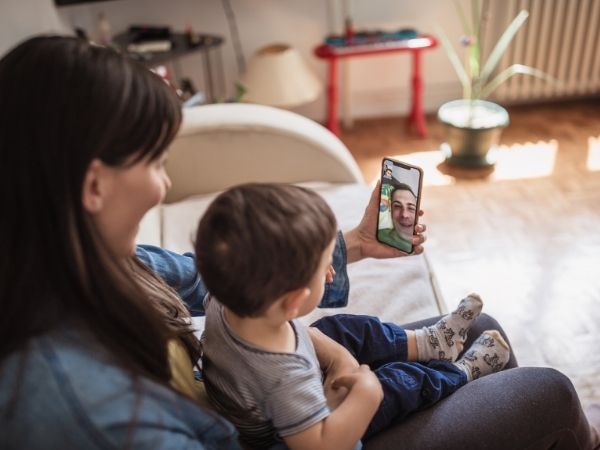


Losing contact with a grandchild is one of the most painful experiences a person can face. Whether it follows a divorce, the death of a child, a family breakdown, or a decision by a parent to cut ties, the impact on grandparents and grandchildren alike can be lasting. What many grandparents do not know is that South African law recognises their right to apply for contact with their grandchildren. That right is not absolute, and it is not guaranteed, but it exists, and courts take it seriously. This post explains what the law says, how the process works, and what grandparents can do when they have been shut out of their grandchildren’s lives.
What the Children's Act Says About Grandparents
The Children’s Act 38 of 2005 is the primary legislation governing the care, contact, and welfare of children in South Africa. It marks a significant shift in how family law approaches children, moving away from a focus on parental rights and toward a framework built around the best interests of the child as the central and overriding consideration. Within that framework, the Act specifically acknowledges the role that grandparents and other family members play in a child’s life.
Section 23 of the Children’s Act gives any person who has an interest in the care, wellbeing, or development of a child the right to apply to a court for a contact order. The section specifically lists grandparents among those who may bring such an application. This is not a loophole or an indirect route. It is an express provision of the Act, and it reflects the legislature’s recognition that children benefit from meaningful relationships with extended family members, including grandparents, and that those relationships deserve legal protection where necessary.
What Does Contact Actually Mean Under the Law?
Before looking at how to apply, it helps to understand what a contact order actually provides. Contact, as defined in the Children’s Act, includes the right to see the child and spend time with them in person, to communicate with the child through letters, telephone calls, or electronic means, and to receive information about the child’s general wellbeing, education, and health. A contact order does not give the grandparent care of the child or any authority over how the child is raised. It is specifically about maintaining a relationship, not about overriding parental decisions on day-to-day matters.
Contact can be structured in many ways depending on the circumstances. It may be regular weekend visits, holiday contact, school holiday arrangements, video calls, or a combination of these. Courts have considerable flexibility in crafting contact arrangements that work for the specific family situation, and they can adjust those arrangements over time as the child’s needs and circumstances change.

When Would a Grandparent Need to Apply for Contact?
Most grandparents maintain regular and loving contact with their grandchildren without any need for court involvement. The law becomes relevant when that contact is blocked, restricted, or denied by one or both parents. The most common situations in which grandparents find themselves needing to consider a formal application include the following.
After a divorce or separation, the parent who does not have primary care of the children may lose practical access to their own parents, the children’s grandparents on that side of the family. The children may be moved away, schedules may become restrictive, or the other parent may actively discourage contact. In this situation, paternal grandparents in particular often find themselves cut off despite having had a close relationship with the grandchildren before the breakdown of the marriage.
After the death of a child, the surviving parent may choose to limit or end contact with the deceased parent’s family. Grief, conflict, and changed family dynamics can all contribute to a situation where grandparents lose access to grandchildren they have been closely involved with throughout the child’s life. This is a particularly painful circumstance and one that the law does address.
In cases of relocation, where a parent moves with the children to another province or another country, the practical reality of maintaining contact changes dramatically. A grandparent who previously saw their grandchildren every week may suddenly find access almost impossible without a formal arrangement that is recognised and enforceable.
Where the parents were never married and the mother has primary care of the child, the father’s parents may have little or no legal standing in the relationship unless they take steps to establish it through a formal contact arrangement.
What the Court Considers When Deciding a Grandparent Contact Application
The Children’s Act is clear that the best interests of the child are the paramount consideration in any matter concerning a child’s care, contact, or development. This principle applies equally to applications brought by grandparents. The court does not start from the assumption that grandparent contact is always beneficial or always detrimental. It looks at the specific facts of the case and makes a determination based on what will genuinely serve the child’s wellbeing.
Factors the court will consider include the nature and quality of the existing relationship between the grandparent and the child, the child’s age and stage of development, the potential impact of the contact on the child’s emotional and psychological wellbeing, the attitude of the parents toward the proposed contact, the grandparent’s ability to meet the child’s needs during contact, and any history of conflict or harm within the family. The court may also take into account the views of the child, depending on the child’s age and maturity. A child who is old enough to express a view about contact will generally be given the opportunity to do so, either directly or through a family advocate or social worker appointed to assess the family situation.
It is worth noting that the court does not require grandparents to prove that contact is essential or that its absence is harming the child. They simply need to show that the contact is in the child’s best interests. The threshold is meaningful but not impossibly high, particularly where there is evidence of a close and established relationship.
What About Parental Authority and the Rights of Parents?
Parents retain the primary authority to make decisions about their children’s lives, including decisions about who the children spend time with. The law respects this authority. A court will not lightly override a parent’s decision to limit contact between their child and a grandparent, and it will not do so simply because the grandparent disagrees with that decision.
However, parental authority is not unlimited. Where a parent’s decision to cut off contact with a grandparent is not based on the child’s best interests but on personal conflict, grievance, or a desire to punish the other side of the family, the court can and does intervene. The Act is designed to protect the child’s right to maintain meaningful relationships, not to protect a parent’s right to use the child as a tool in a family dispute. Where the evidence shows that the grandparent-grandchild relationship is valuable to the child and that the denial of contact is not justifiable on child welfare grounds, a court can grant a contact order over the objection of one or both parents.
How Does a Grandparent Apply for Contact?
A grandparent seeking a formal contact order must bring an application in the High Court or the Children’s Court. The Children’s Court, which sits at the level of the magistrates’ court, is the more accessible forum for most families and has full jurisdiction to hear contact applications under the Children’s Act. The High Court has concurrent jurisdiction and may be the appropriate forum in more complex matters or where urgent relief is required.
The application must set out the details of the relationship between the grandparent and the child, the history of contact and when and why it was disrupted, the proposed contact arrangement being sought, and the reasons why the proposed contact is in the child’s best interests. Supporting documentation such as photographs, correspondence, school records, and witness statements can all strengthen the application. The court will typically direct that a social worker or family advocate investigate the family situation and provide a report before a final order is made. This report is an important part of the process and gives the court an independent assessment of the child’s needs and circumstances.
Mediation is also worth considering before or alongside a formal court application. In Gauteng, court-annexed mediation is a required step in civil disputes before a matter proceeds to court. In other provinces, mediation is not always mandatory but is strongly encouraged by courts dealing with family matters. A successful mediation can produce a contact arrangement that all parties accept, which is generally better for the child and the family than a contested court order. Where the other party refuses to engage meaningfully, or where mediation does not produce an agreement, the court application proceeds.
What If the Grandchild Has Been Relocated Abroad?
Where a child has been taken or relocated to another country, the situation becomes more complex and involves international law as well as South African domestic law. South Africa is a signatory to the Hague Convention on the Civil Aspects of International Child Abduction, which provides a framework for the return of children who have been wrongfully removed from their country of habitual residence. If a child has been removed from South Africa without the consent of the relevant parties, this convention may apply and urgent legal action may be required.
Where the relocation was lawful but has cut off grandparent contact, international contact arrangements are possible but require careful legal planning and, in many cases, cooperation between legal representatives in both countries. If you are facing this situation, you need specialist legal advice without delay.
Frequently Asked Questions
Do grandparents have automatic legal rights to see their grandchildren in South Africa?
No. Grandparents do not have automatic contact rights in the same way that parents do. However, section 23 of the Children’s Act gives grandparents the express right to apply to a court for a contact order. The court will then decide whether granting contact is in the best interests of the child. The right is to apply, not to receive contact automatically.
Can a parent legally prevent a grandparent from seeing their grandchild?
A parent can decide to limit or end contact between their child and a grandparent, but that decision can be challenged in court. If the court finds that the contact would be in the child’s best interests and that the parent’s refusal is not justified on child welfare grounds, it can grant a contact order that the parent is legally required to comply with.
What is the best interests of the child standard and how does it apply to grandparents?
The best interests of the child is the primary consideration in all matters relating to children under South African law. When a grandparent applies for contact, the court assesses whether granting that contact would benefit the child, taking into account the existing relationship, the child’s emotional needs, the family circumstances, and any potential impact on the child’s wellbeing. The grandparent does not need to prove harm from the absence of contact, only that contact would genuinely serve the child.
Does the child get a say in whether they see their grandparents?
Yes, depending on the child’s age and maturity. Courts are required to consider the views of children who are old enough to express a meaningful opinion. The child may be interviewed by a family advocate or social worker, or in some cases by the court itself. The child’s views are taken into account but are not necessarily decisive, particularly for younger children.
Do I need to go to court or can this be resolved another way?
Court is not always the first or only option. Many grandparent contact disputes can be resolved through mediation or direct negotiation between the parties, sometimes with the assistance of attorneys. In Gauteng, mediation is a required step before a civil matter proceeds to court. In other provinces it is strongly encouraged. If mediation fails or is not possible, a formal court application is the appropriate next step.
How long does a grandparent contact application take?
The timeline depends on the court, the complexity of the matter, whether the other party opposes the application, and how quickly the family advocate or social worker’s report can be completed. Straightforward matters that are not opposed can be resolved relatively quickly. Contested applications involving complex family dynamics take longer. Where there is urgency, for example where a child is about to be relocated, an urgent application can be brought to obtain interim relief while the main matter is resolved.
What if the parent has a restraining order or there is a history of family violence?
A history of family violence or abuse is a factor the court will consider carefully in any contact application. If the grandparent themselves has been involved in conduct that posed a risk to the child or the parent, the court will weigh that history seriously. Where a restraining order exists, legal advice is essential before any application is made. Each situation is assessed on its own facts and the court’s focus remains on the child’s safety and wellbeing at all times.
You Do Not Have to Accept Being Shut Out
Losing contact with a grandchild is painful, but it does not have to be permanent. South African law gives grandparents a meaningful route to apply for contact, and courts take the importance of the grandparent and grandchild relationship seriously. The process requires careful preparation, the right legal support, and a clear focus on what is best for the child.
If you have been denied contact with your grandchildren and want to understand your legal options, contact Shapiro & Haasbroek Attorneys today. We have over 25 years of experience in family law across South Africa, and we work with clients wherever they need us.
We will assess your situation, explain your options clearly, and help you take the right steps to rebuild your relationship with your grandchildren through the proper legal channels.