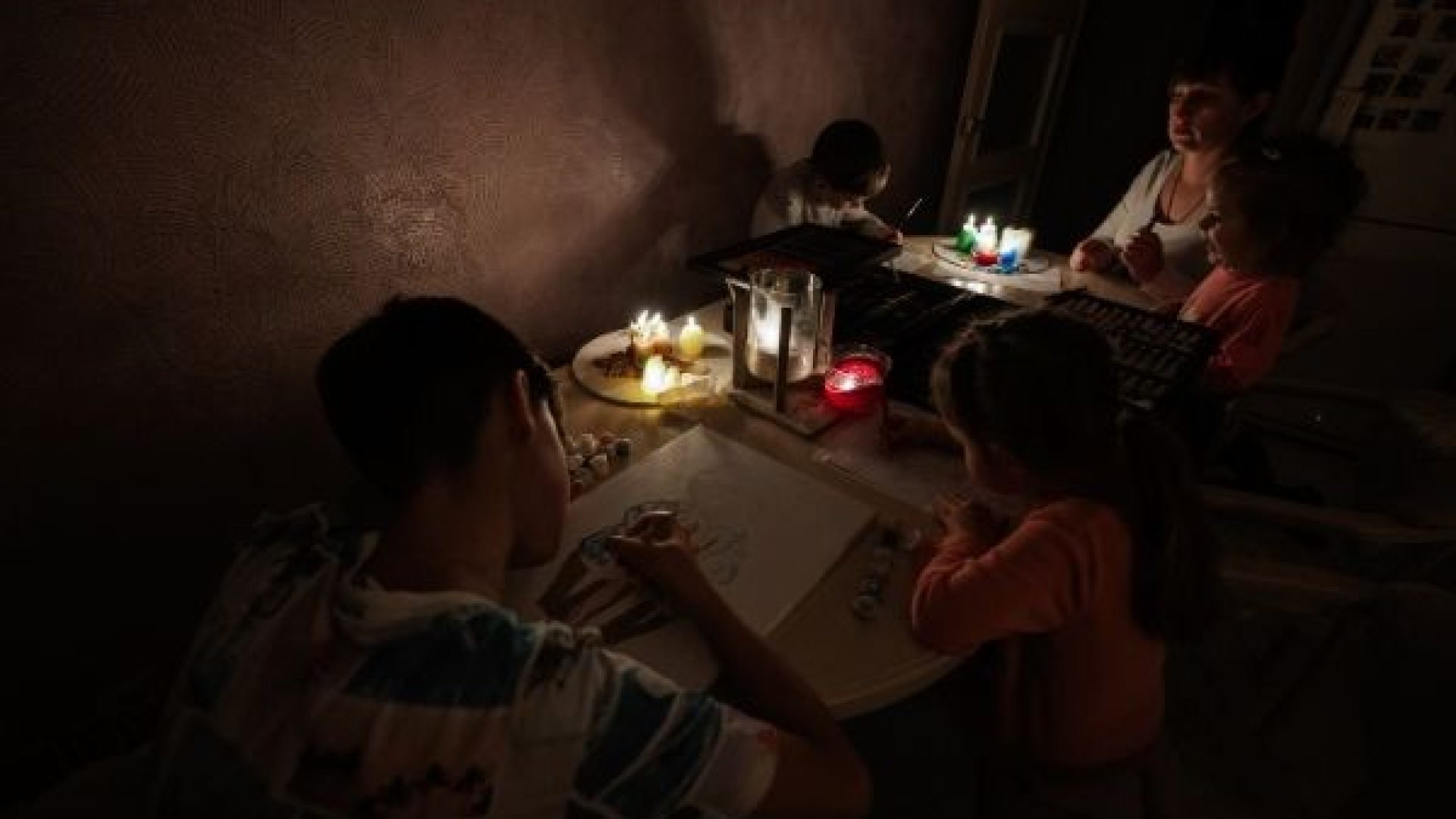



It’s the middle of winter in Gauteng. You arrive home after work and discover the lights won’t switch on. The fridge has stopped running, the geyser is cold, and your prepaid meter suddenly appears inactive. A message from your landlord follows shortly afterwards: pay the outstanding rent or the electricity stays off. For many tenants, this situation creates panic. For landlords frustrated by unpaid rent, it may seem like a reasonable way to force payment. However, South African law does not always allow landlords to take matters into their own hands.
Disputes involving electricity disconnections have become increasingly common in South Africa’s rental market. Rising living costs, rental arrears, and strained landlord-tenant relationships often lead to conflict. Unfortunately, many landlords and tenants misunderstand their legal rights and obligations when utilities are involved. The important question is simple: can a landlord legally disconnect electricity because rent has not been paid? The answer may surprise both tenants and property owners. Understanding the difference between lawful enforcement and unlawful self-help is essential for avoiding costly legal disputes and protecting your rights.
Understanding the Landlord's Frustration
Before examining what the law allows, it is important to understand why these disputes occur. Many landlords rely on rental income to pay bonds, municipal accounts, levies, maintenance costs, and other financial obligations. When tenants fall behind on rent, the financial pressure can become significant. Some landlords may wait months for payment while still covering property-related expenses. In these situations, frustration often leads property owners to consider drastic measures to recover losses or encourage payment.
Common responses include:
- Changing locks
- Removing access devices
- Restricting access to the property
- Disconnecting water
- Disconnecting electricity
- Threatening immediate eviction
While these actions may feel justified from a landlord’s perspective, legality is another matter entirely.
What South African Law Says About Self-Help
South African courts have consistently rejected what is known as self-help. Self-help occurs when a person attempts to enforce their rights without following proper legal procedures. In rental disputes, this means landlords cannot simply decide to punish tenants or force compliance by taking direct action themselves. The courts have repeatedly emphasised that disputes must be resolved through lawful processes rather than unilateral action.
This principle applies even where:
- Rent has not been paid
- The tenant is in breach of the lease
- The landlord is suffering financial loss
- The tenant refuses to vacate
A landlord cannot bypass legal procedures simply because they believe they are entitled to relief. This principle has become firmly established in South African property law and remains one of the most important protections available to tenants.
Can a Landlord Disconnect Electricity?
In most circumstances, the answer is no. A landlord generally cannot disconnect electricity solely because rent has not been paid. Doing so may constitute unlawful self-help and potentially infringe on a tenant’s rights. Electricity is considered an essential service. Courts have recognised that access to electricity directly affects health, safety, dignity, education, and daily living. Where a landlord intentionally disconnects electricity to pressure a tenant into paying rent or vacating the property, the action may be unlawful.
This applies whether the landlord:
- Physically disconnects supply
- Removes prepaid electricity access
- Interferes with municipal services
- Prevents electricity purchases on prepaid systems
The fact that a tenant owes money does not automatically entitle the landlord to interrupt essential services.
What If Electricity Is Included in the Rent?
Many rental agreements include electricity as part of the monthly rental amount. In these situations, landlords often argue that if rent is unpaid, electricity should also stop. However, South African courts generally focus on the legality of the action rather than the landlord’s reasoning.
If the lease remains in effect and the tenant remains lawfully in occupation, a landlord may face legal consequences for deliberately terminating essential services without following proper procedures. Each case depends on its specific facts, but landlords should exercise extreme caution before taking action involving utilities.
What Are a Landlord's Legal Options?
The fact that landlords cannot disconnect electricity does not mean they have no remedies. South African law provides several legitimate ways to address rental arrears.
These may include:
- Issuing formal demands
- Enforcing lease provisions
- Claiming outstanding rental
- Seeking damages
- Instituting eviction proceedings where appropriate
- Approaching the courts for relief
Legal processes may take longer than simply switching off electricity, but they provide enforceable outcomes and reduce the risk of counterclaims. Property disputes can quickly become expensive when landlords act unlawfully, even where tenants are clearly in breach of their obligations. Rental disputes often require careful legal guidance to avoid creating additional problems.
What Can Tenants Do If Electricity Is Disconnected?
Tenants who find themselves without electricity should avoid escalating the situation emotionally. The first step is gathering evidence.
This may include:
- Photographs
- Messages from the landlord
- Copies of the lease agreement
- Proof of rental payments
- Utility records
Written communication should be preserved wherever possible. Depending on the circumstances, tenants may have legal remedies available to restore services quickly. Courts often take a serious view of unlawful utility disconnections, particularly where vulnerable individuals, children, elderly occupants, or medical needs are involved. The specific remedy available will depend on the facts and legal advice should be obtained as soon as possible.
The Difference Between Utility Disputes and Evictions
Many landlords mistakenly treat electricity disconnections as an alternative to eviction. They are not the same thing. Eviction is a formal legal process governed by legislation and court procedures. A landlord cannot simply make a property uninhabitable to encourage a tenant to leave.
Actions such as:
- Disconnecting electricity
- Disconnecting water
- Removing doors
- Changing locks
- Preventing access
may be viewed as attempts to bypass lawful eviction procedures. South African courts have consistently emphasised that eviction must take place through the proper legal channels. Property owners who attempt to force tenants out indirectly may expose themselves to additional legal liability. Property disputes can become legally complex very quickly.
Gauteng Rental Disputes and Growing Litigation
Gauteng remains one of South Africa’s busiest rental markets, with significant volumes of residential and commercial leasing activity in Pretoria, Johannesburg, Centurion, Midrand, and surrounding areas. As economic pressures increase, disputes involving rental arrears continue to rise. Electricity disconnection disputes frequently arise because landlords are trying to recover losses while tenants struggle with affordability challenges.
These disputes often escalate into broader litigation involving:
- Eviction applications
- Lease breaches
- Damages claims
- Unlawful occupation allegations
- Municipal account disputes
Courts continue to discourage self-help remedies and encourage parties to follow lawful dispute resolution processes. At Shapiro & Haasbroek Inc Attorneys, property-related disputes frequently involve landlord-tenant disagreements where emotions and financial pressures have complicated the legal position of both parties.
How Landlords Can Protect Themselves Legally
Landlords can significantly reduce risk by taking proactive steps before disputes arise.
Important measures include:
- Comprehensive lease agreements
- Clear rental payment terms
- Properly drafted breach clauses
- Regular communication with tenants
- Early intervention when arrears arise
- Obtaining legal advice before taking enforcement action
A properly managed dispute is often easier and less expensive to resolve than one that escalates due to unlawful actions. Prevention is almost always more cost-effective than litigation.
Frequently Asked Questions: Electricity Disconnections and Tenant Rights
Can my landlord switch off my electricity if I am behind on rent?
Generally, no. A landlord cannot usually disconnect electricity simply because rent has not been paid. Doing so may amount to unlawful self-help and could expose the landlord to legal consequences.
Is disconnecting electricity considered an illegal eviction?
Not necessarily, but it may form part of unlawful conduct intended to force a tenant to leave. Courts often view utility disconnections seriously where they are used to pressure tenants.
What should I do if my electricity is disconnected?
Gather evidence immediately, preserve written communication, review your lease agreement, and seek legal advice as soon as possible.
Can a landlord disconnect prepaid electricity?
In many cases, interfering with prepaid electricity access may still be considered unlawful if it is done to force payment or compel a tenant to vacate.
What legal options does a landlord have for unpaid rent?
Landlords can issue demands, enforce lease provisions, claim arrears, seek damages, and pursue lawful eviction proceedings where appropriate.
Can a tenant claim damages?
Depending on the circumstances, tenants may have legal remedies available if they suffer loss due to unlawful utility disconnections.
Do commercial tenants have the same protections?
Commercial disputes may involve different contractual considerations, but self-help remedies can still create legal risks for landlords.
Electricity Disputes Require Proper Legal Action
Electricity disconnection disputes often arise when landlords and tenants are under financial pressure. While unpaid rent creates genuine challenges for property owners, South African law generally does not allow landlords to take matters into their own hands by disconnecting essential services.
The safest approach for both parties is to follow lawful procedures and obtain legal guidance before disputes escalate.
Understanding your rights early can prevent costly mistakes, unnecessary conflict, and prolonged litigation.
Shapiro & Haasbroek Inc Attorneys assists landlords and tenants across South Africa with rental disputes, eviction matters, lease disagreements, and property-related litigation.
For professional legal assistance, contact Shapiro & Haasbroek Inc Attorneys to discuss your matter with an experienced legal team.